


July marks the arrival of a global movement focused on reducing our reliance on single-use plastics. For those who appreciate the preservation of beautiful things, this season offers a timely invitation to look inside our closets. Our wardrobes, and the systems we use to maintain them, are often filled with hidden plastics. Cheap synthetic storage bags, plastic hangers, and dry-cleaning covers accumulate quietly, compromising both the environment and the longevity of our garments.
Learning how to reduce plastic in your wardrobe does not require an immediate, dramatic overhaul of everything you own. Rather, it is a journey of mindful fabric preservation, making thoughtful, incremental adjustments that support the natural integrity of your clothing. At Hayden Hill, we believe in a balanced, realistic approach to low-impact living. Our focus remains on longevity, careful craftsmanship, and collective progress over rigid perfection. This guide provides actionable steps to care for your textiles naturally, prevent unnecessary damage, and protect your wardrobe investments.
The Realistic Path to a More Conscious Closet
A common dilemma when auditing a closet is deciding what to do with existing synthetic garments. Many people wonder if they should immediately discard polyester blouses or nylon knitwear to achieve a plastic-free closet.
The short answer is no. Throwing away usable clothing creates unnecessary waste. The most responsible choice you can make is to care for the garments you already own, extending their lifespan for as long as possible.
Why Plastic Storage Damages Delicate Clothing
To understand the value of natural storage, it is helpful to look at the science of fabric preservation.

How does plastic storage damage clothing?
Plastic storage traps humidity and chemical residues around natural fibres. Natural materials, including wool, silk, and cashmere, contain microscopic moisture that must evaporate naturally. When sealed inside plastic containers or synthetic garment bags, this moisture is trapped. The resulting damp environment weakens natural fibres, attracts mildew, and creates a breeding ground for clothes moths.
Additionally, conventional plastic garment covers release chemical gases over time. This process, known as off-gassing, causes delicate white silks and pale wools to develop a stubborn, yellow tint that is often impossible to reverse.
According to research from textile conservationists, synthetic fabrics and non-breathable containers lack the natural ventilation required to regulate humidity. Consequently, storing high-value knitwear in air-tight plastic boxes often results in irreversible structural damage to the delicate fibres.
Practical Ways to Reduce Plastic in Your Wardrobe
If you are looking to build a more natural, breathable system for your clothing this July, several small changes can yield a significant impact.
1. Ditch the Dry-Cleaner Bags Immediately
Dry-cleaning bags are designed solely to protect your garments during the journey from the shop to your home. They are not intended for closet storage.
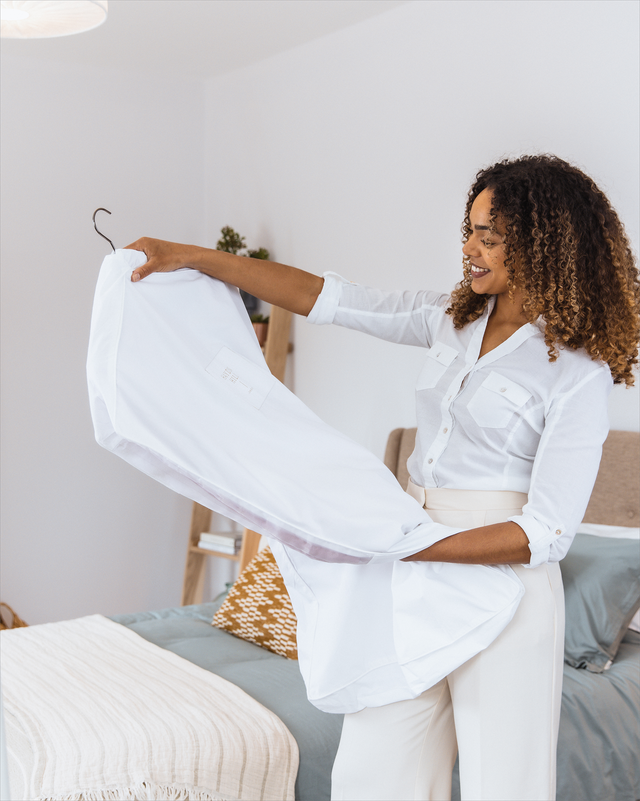
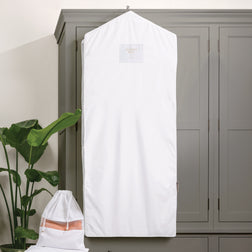
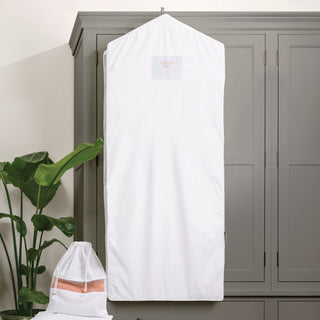
As soon as your garments arrive home, remove the thin plastic covers and recycle them. These covers trap dry-cleaning solvents and moisture against the fabric. Leaving your wool coats or silk pants in these bags accelerates fibre degradation. Instead, transition your seasonal pieces into breathable cotton garment bags.
2. Swap Synthetic Hangers Gradually
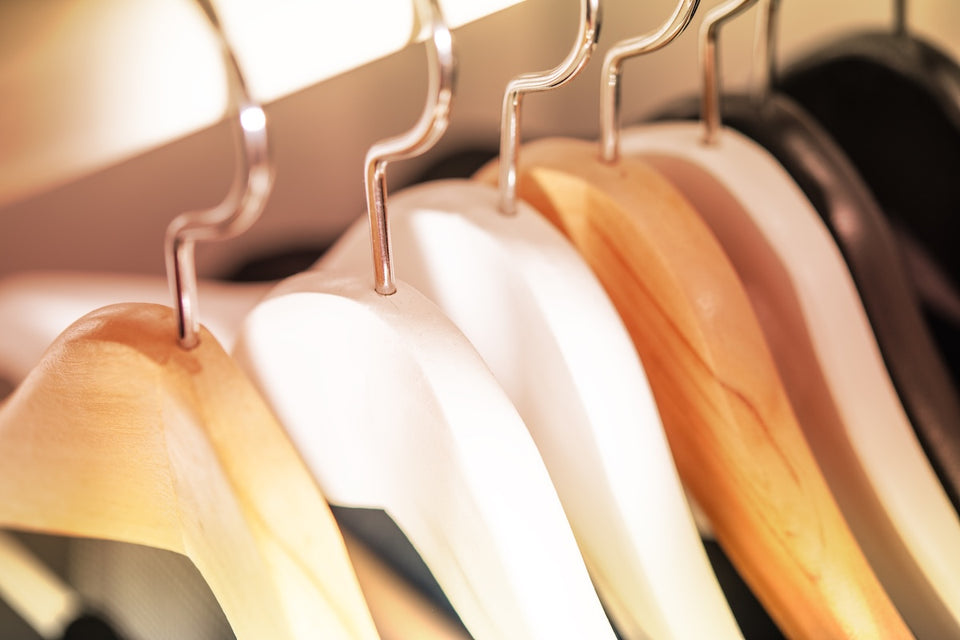
Thin, brittle plastic hangers easily warp under the weight of heavy wool coats, stretching out shoulder seams and distorting the silhouette of your clothing.
Instead of throwing away all your plastic hangers at once, which simply sends them to a landfill, replace them gradually as they wear out. Choose sturdy, FSC-certified wooden hangers for tailored jackets and coats. Wood provides broad support that preserves the natural drape of your garments. For delicate silk blouses, choose high-quality metal or naturally padded hangers that prevent slipping without relying on synthetic velvet coatings.
3. Replace Plastic Storage Bins with Breathable Cotton
Storing winter knitwear or seasonal bedding in large plastic bins is a common household habit. However, plastic bins prevent air circulation.
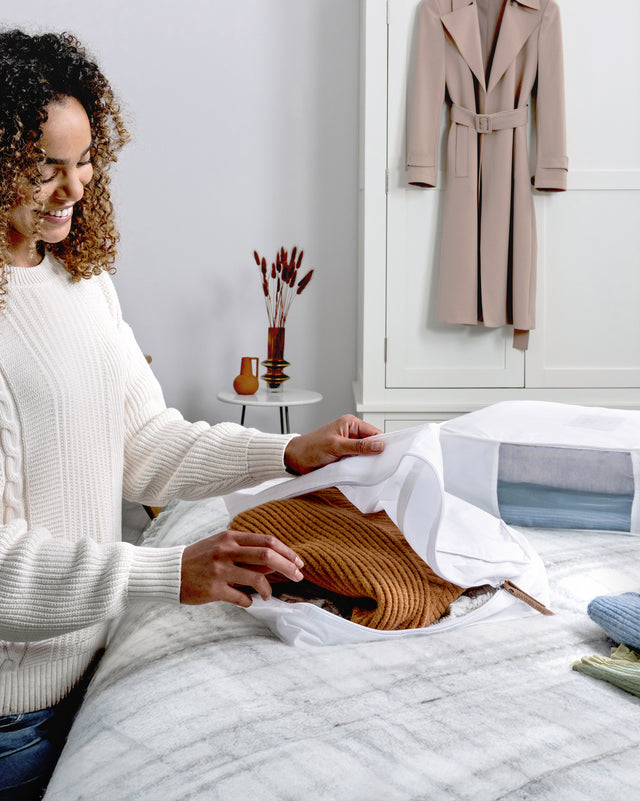
When wool and cashmere cannot breathe, they lose their natural loft and softness. The Woolmark Company notes that animal fibres like merino wool and cashmere require a stable, aerated environment to maintain their natural elasticity. Organic cotton zippered storage bags offer a protective, breathable alternative. Natural cotton shields your garments from dust, light, and pests while allowing air to move freely, preserving the soft texture of your pullovers and blankets.
Caring for Existing Synthetics Responsibly
Most modern wardrobes contain a blend of natural and synthetic textiles. Activewear, technical outerwear, and stretch blends often rely on polyester, nylon, or elastane. When washing these garments, you can still take steps to minimise their environmental footprint through a lower-impact care routine.

-
Wash on cold: Cold water reduces the friction that causes synthetic fabrics to shed microplastics during the wash cycle. It also preserves the elasticity and shape of your activewear.
-
Use a microfibre wash bag: Placing synthetic items inside a dedicated wash bag captures loose fibres before they enter the water system.
-
Line dry when possible: Air drying is gentler on synthetic fibres than high-heat dryers. It slows down the shedding of microplastics and keeps your garments in pristine condition longer.
Choosing Quality Natural Materials to Preserve Your Wardrobe
As you slowly curate your wardrobe over time, prioritise natural, high-performing materials that are renewable, biodegradable, and gentle on the earth.
-
Organic Cotton: Grown without harmful chemical pesticides, organic cotton is incredibly soft, breathable, and gentle on both your skin and the earth.
-
Linen: Derived from the resilient flax plant, linen is naturally biodegradable and requires minimal water to grow.
-
Silk and Wool: These ancient, natural fibres offer unparalleled temperature regulation and durability when cared for with patience.
By investing in fewer, beautifully made pieces crafted from natural fibres, you naturally reduce the demand for synthetic, plastic-based textiles.
A Mindful Standard for Your Wardrobe

True garment preservation is an act of mindfulness. When we step away from disposable culture and choose to protect what we love, we build a deeper connection to our surroundings. Reducing plastic in your closet is not about achieving absolute perfection overnight. It is about committing to small, deliberate choices, from removing a dry-cleaning bag to choosing an organic cotton storage cover.
By building a thoughtful, breathable system for your closet, you ensure that your most cherished garments remain beautiful, protected, and ready to wear for years to come.
Frequently Asked Questions
How do you protect clothes from moths without plastic?
You can protect clothing from moths naturally by cleaning your garments before storage, vacuuming your closet regularly, and using breathable cotton storage bags. Clothes moths are attracted to sweat, food oils, and natural organic residues. Ensuring your clothing is dry and thoroughly clean before storing it removes their food source. Organic cotton garment bags provide a physical barrier that prevents adult moths from laying eggs on delicate fibres while still allowing air to circulate.
Should cashmere be stored in plastic containers?
No, cashmere should not be stored in sealed plastic containers. Cashmere is an animal hair that contains microscopic moisture. Plastic storage traps this humidity, which can lead to mildew, fibre degradation, and an increased risk of moth infestation. Instead, store cashmere knitwear folded neatly inside breathable cotton storage cases in a cool, dry place.
Why do white clothes turn yellow in plastic garment bags?
White garments turn yellow in plastic bags due to a chemical process known as off-gassing. Conventional plastic garment bags release synthetic gases and chemical additives over time. When these chemicals are trapped in a confined space, they react with the dyes and natural fibres of light-coloured clothing, causing yellow or gray discolouration that is often permanent.
How does washing frequency affect garment lifespan?
Washing frequency directly impacts the structural integrity of fabric fibres. Every wash cycle subjects clothing to water exposure, temperature fluctuations, and physical friction. Over time, excessive washing breaks down both natural and synthetic fibres, leading to pilling, thinning, and loss of shape. Washing garments only when truly soiled, and utilising gentle air-out routines between wears, significantly extends the lifespan of your wardrobe.