


The way we think about clothing is slowly changing. Instead of constantly searching for something new, many people are starting to focus on what they already own and how to make it last. This shift sits at the heart of sustainable clothing and reflects a growing interest in care, longevity, and mindful habits rather than endless consumption.
Making clothes last longer does not require a complete lifestyle overhaul. It starts with small, everyday choices that protect fabrics, reduce wear, and support garments through repeated use. From laundry routines to storage decisions, the life of clothing is shaped long after it leaves the clothing store.
Why Clothing Often Wears Out Too Soon
Most clothes are not worn out through normal wear. They are worn down through washing, drying, and storage habits that place unnecessary stress on fibres. Heat, friction, harsh detergents, and overcrowding weaken materials over time, even when garments are well made.
Sustainable clothing depends on extending the usable life of what we already own. Longevity reduces waste, lowers demand for constant replacement, and shifts focus away from quantity toward quality. Conscious care is one of the most effective ways to support this goal.

The 30 Wear Rule and Buying with Longevity in Mind
One of the clearest frameworks for sustainable clothing is the 30 wear rule, sometimes referred to as the #30Wears Challenge. The idea was introduced by fashion activist Livia Firth through her work with Eco Age, encouraging people to only buy a new item if they believe they will wear it at least 30 times.
Making clothes last longer is what allows the 30 wear rule to work in practice. Without thoughtful care, even the best intentioned purchase can fall short of its potential.
Washing Less Is One of the Most Effective Changes
One of the simplest ways to extend the life of clothing is washing less frequently. Many garments, especially knitwear, trousers, dresses, and outer layers, do not need to be washed after every wear. Airing clothing between wears helps refresh fibres and reduces unnecessary laundering.

This habit supports sustainable clothing by limiting water use and reducing fibre breakdown. Washing less is not about neglect. It is about recognising when cleaning is actually needed and when it is not.
When washing does take place, the tools used matter.
Protecting Clothes with Mesh Laundry Bags
Friction inside the washing machine is one of the main causes of fabric damage. Mesh laundry bags help reduce that friction by keeping garments contained and supported while still allowing water and detergent to circulate.
Mesh laundry bags are especially useful for knitwear, delicate fabrics, undergarments, and pieces with straps, seams, or finer construction. Using them consistently helps prevent stretching, pulling, and surface wear.
This small adjustment can significantly improve how well clothing holds its shape and texture over time. It is a practical habit that fits easily into everyday laundry routines.

Choosing the Best Laundry Detergent for Clothing Longevity
Detergent choice plays a critical role in how clothing ages. Many traditional detergents are designed for heavy soil removal and can be unnecessarily harsh when used regularly on everyday garments.
For long term clothing care choose one that cleans effectively without leaving residue or weakening the material structure. Laundry detergent sheets are increasingly popular because they dissolve fully, allow for controlled dosing, and reduce buildup on fabric.
Overuse of detergent is a common issue. Too much can stiffen fibres and attract dirt over time. Laundry sheets help avoid this by delivering a consistent, measured amount with each wash.
Fabric softener is often seen as a solution for softness, but it can coat fibres and reduce breathability. Over time, this coating can dull fabrics rather than improve them. Many people focused on sustainable clothing choose to skip fabric softener altogether in favour of gentler washing methods.

Drying Habits That Extend Garment Life
Dryers are convenient, but heat is one of the fastest ways to damage clothing. High temperatures reduce the strength of fibres, cause shrinkage, and affect elasticity.
Air drying whenever possible helps preserve shape and structure. Knitwear benefits from being laid flat, while structured garments maintain form when hung properly. If a dryer is used, lower heat settings and shorter cycles place less stress on fabric.
These habits align with sustainable clothing principles by extending the life of garments and reducing the need for replacement.
Storage as Part of Clothing Care
Clothing care does not stop when laundry is finished. How garments are stored between wears has a significant impact on how they age.
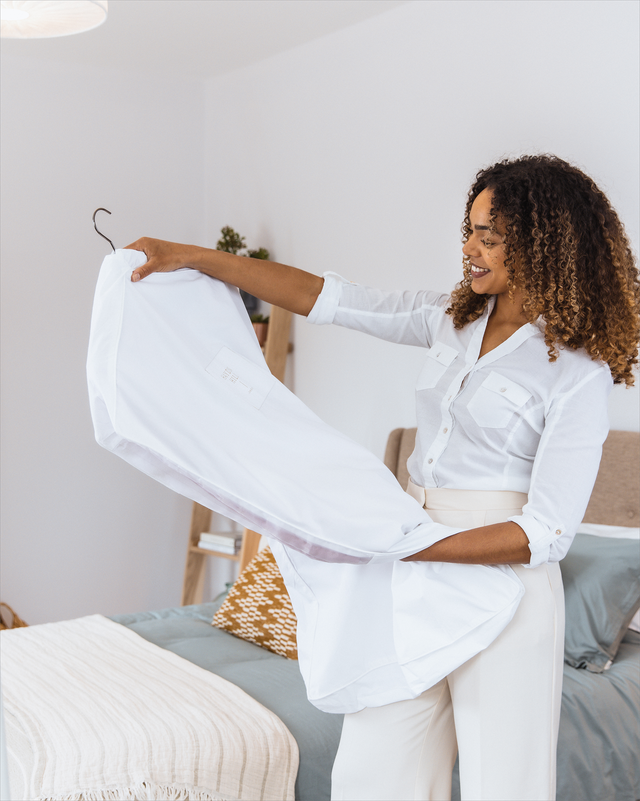
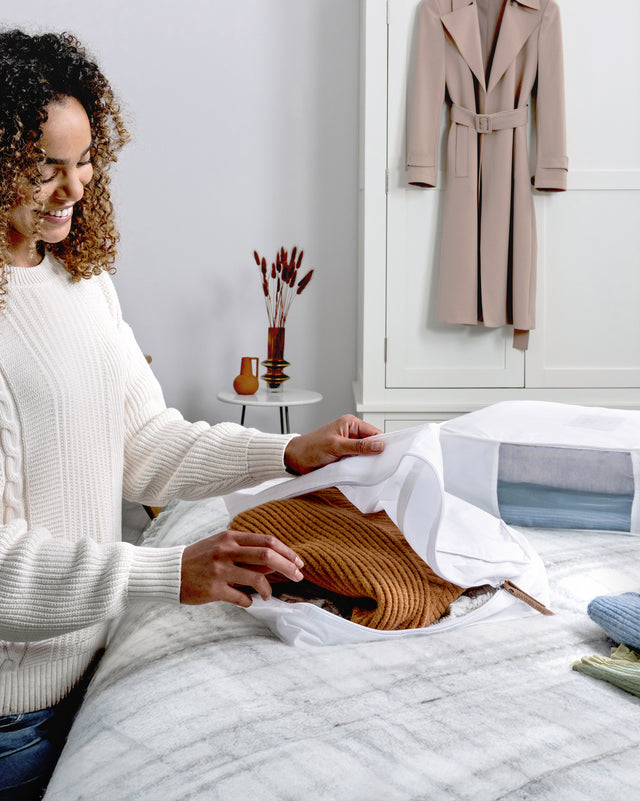
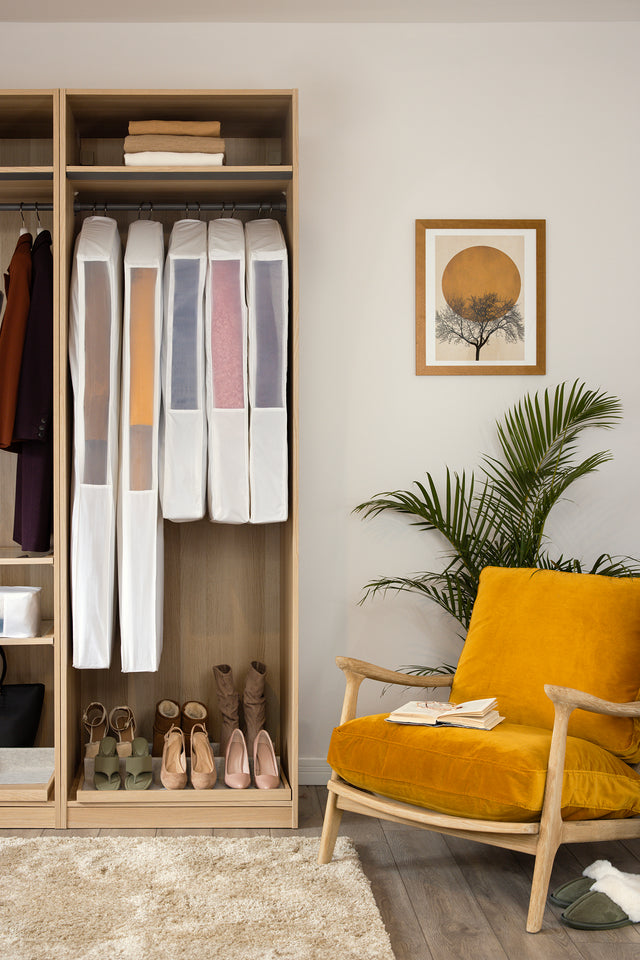
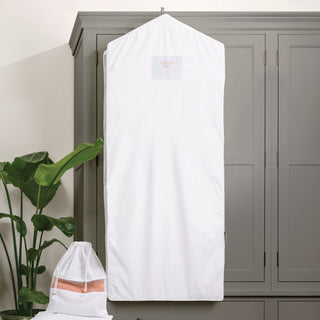
Overcrowded closets compress fibres and increase friction. Plastic covers restrict airflow and trap moisture. Garment storage that allows clothing to breathe helps preserve natural fabric and maintain shape.
Thoughtful storage supports longevity. Clothes that are visible and accessible are more likely to be worn, helping them reach the kind of repeated use encouraged by the 30 wear rule.

From Purchase to Long Term Wear
Sustainable clothing does not begin and end with the purchase itself. How garments are cared for after they enter your wardrobe plays a far greater role in how long they last.
Laundry routines, detergent choices, and storage habits all influence their lifespan. Clothing that is looked after well continues to wear comfortably year after year, becoming dependable pieces rather than items that are quickly replaced.
These choices reduce waste, support conscious consumption, and help clothing remain wearable through repeated use. The result is a wardrobe built on reliability rather than replacement.